Overview
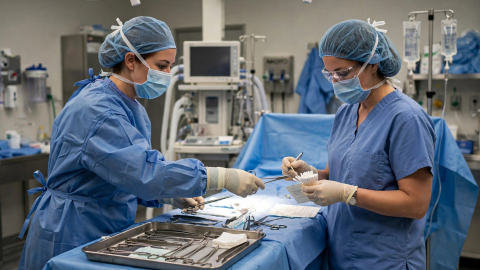
| A woman has a laparoscopic cholecystectomy on Monday morning. She is kept nil by mouth until Wednesday, catheterised because she had an epidural she did not need, kept in bed because nobody is accountable for getting her out of it, and discharged on Thursday with a drain nobody can explain. The operation took forty minutes. The course covers enhanced recovery as nursing work, day-care surgery, drains, gastrointestinal and chest tubes, surgical devices and going home with hardware. |
What this course sets out to do
- To establish enhanced recovery as nursing work, with most elements nursing-owned and pathways failing in implementation rather than design.
- To build the pre-operative education, fasting discipline, carbohydrate loading, opioid-sparing analgesia, early oral intake and mobilisation goals that enhanced recovery depends on.
- To establish drains, tubes and catheters avoided by default and removed by protocol, with device-days treated as a measurable harm.
- To build day-care surgery as a complete pathway - selection, the social and escort requirements that cancel lists when unasked, discharge criteria and telephone follow-up.
- To cover surgical drains, gastrointestinal tubes and their fatal misplacement, chest and biliary drains, negative pressure therapy, pumps, and discharge with hardware in situ.
What your staff will be able to do
- Apply the nursing-owned elements of an enhanced recovery pathway to a listed patient, including education, carbohydrate loading, fasting discipline, early oral intake, mobilisation goals and protocol-driven device removal.
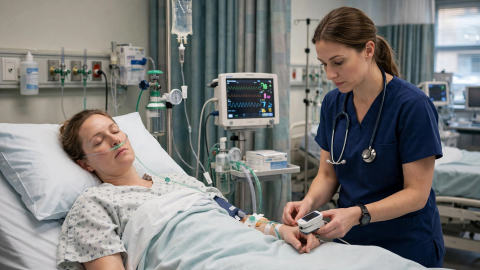
- Manage a surgical drain, nasogastric tube, chest drain, gastrostomy and negative pressure wound dressing on their own ward, including measurement, charting of character and volume, and troubleshooting.
- Deconstruct a failed enhanced recovery pathway or a prolonged stay after a day-case-suitable procedure into the specific element non-compliances and accountability gaps that produced it.
- Appraise their ward's drain, tube and catheter practice against removal-by-protocol principles, and judge how many device-days per patient are generated by habit rather than clinical indication.
- Construct an enhanced recovery element checklist and daily goal sheet for one procedure group, with a compliance, drain-days and day-case-conversion audit reporting to the surgical governance committee.
Eligibility
For registered nurses with valid State Nursing Council registration managing drains, tubes and devices on surgical wards, in day-care and ambulatory surgery, pre-assessment clinics, recovery and stoma and wound care, with enhanced recovery coordinators, ward in-charges and quality managers. Nasogastric insertion, chest drain management and pump setup require separate direct observation.
Renewal & retraining
No statutory interval is prescribed. MedSkills recommends a two-year refresher. Hours count toward the Indian Nursing Council requirement of 150 CNE hours per five-year registration renewal cycle.
MedSkills recommends retraining every two years, or sooner if your hospital protocol, the equipment or the governing guideline changes. Inside the MedSkills LMS, expiring certificates are flagged automatically and refresher training is re-assigned before the due date.
Certification
Upon successful completion of this course, you will receive a tamper-proof digital certificate backed by blockchain technology from MedSkills. This secure, verifiable certificate validates your skills and can be shared on LinkedIn, added to your resume, or included in your professional portfolio.
Certificate Benefits
Blockchain-Backed Security
Tamper-proof certificates secured by blockchain technology
Instant Verification
Employers can verify authenticity instantly through blockchain
LinkedIn Ready
Share directly to your LinkedIn profile and resume
Digital Download
High-quality PDF certificate for printing
Global Recognition
Accepted by employers and institutions worldwide
Lifetime Access
Certificate remains valid and accessible forever
Certification Requirements
- Complete all course modules and assignments
- Achieve minimum 50% score in final assessment